
Blog
The Land Transport Sector in Saudi Arabia: A Digital Revolution Leading the Future Toward Vision 2030
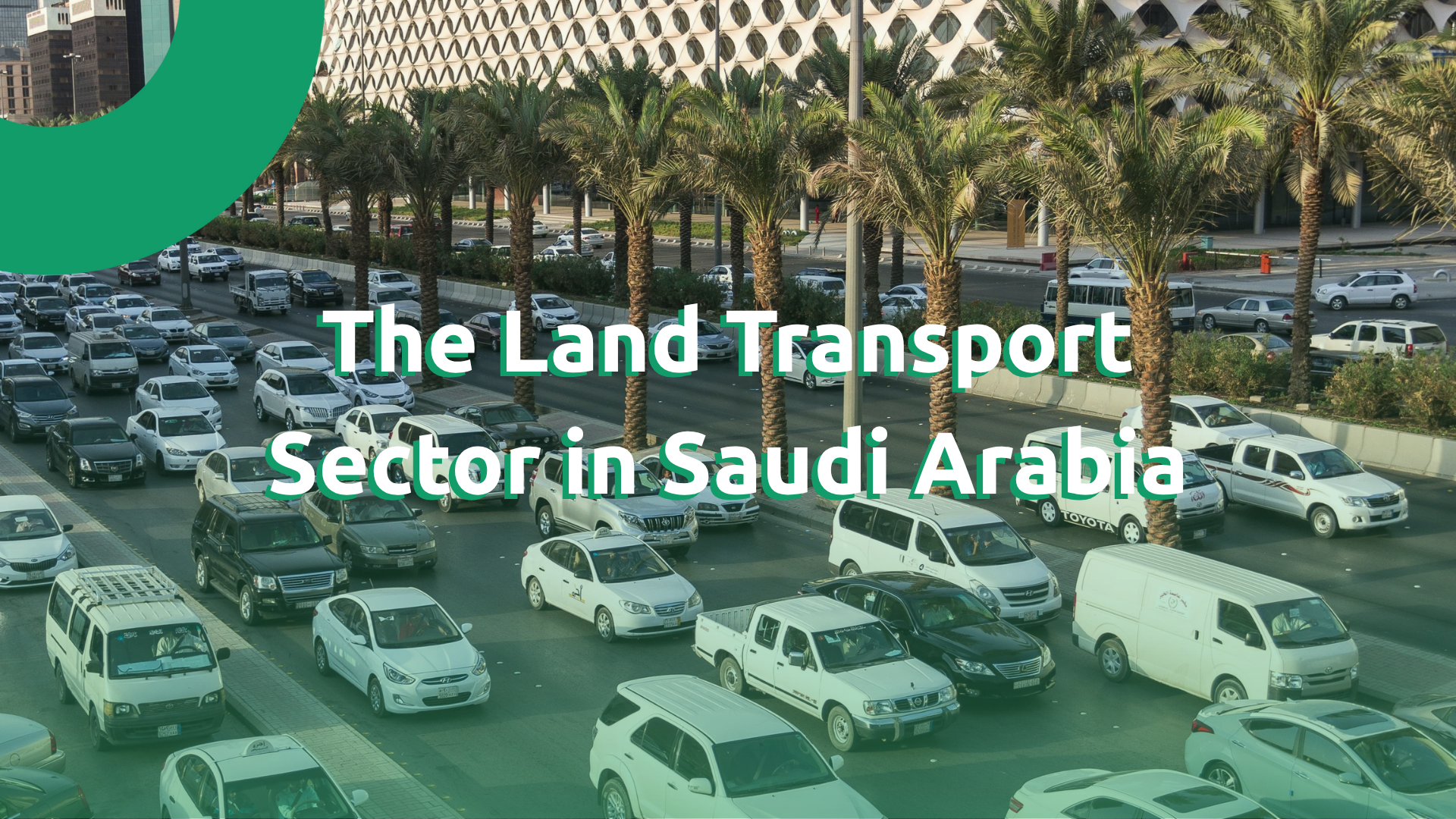
Digital Transformation in the Land Transport Sector in Saudi Arabia: The New Driver of Economic Growth
The Strategic Importance of the Land Transport Sector in Saudi Arabia Under Vision 2030
It is impossible to speak of the economic transformation taking place in the Kingdom without pointing to the pivotal role played by the transport and logistics sector. With the launch of Vision 2030, attention has shifted to this sector as one of the main pillars for diversifying national income sources and enhancing global competitiveness. The Kingdom aims to turn its unique geographical location into a true competitive advantage, to become a global logistics hub linking Asia with Africa and Europe.
Here lies the strategic importance of the land transport sector in Saudi Arabia, as it is the backbone that connects vast seaports with modern airports and promising industrial zones. Saudi Arabia’s road network, ranked among the best globally in terms of connectivity, is not just infrastructure, but the lifeline that pumps goods and services throughout the Kingdom and beyond.
According to specialized reports, the size of the road freight transport market in the Kingdom is estimated at about USD 6.34 billion in 2024, and is expected to grow to USD 8.82 billion by 2030. This growth is not coincidental, but the result of massive investments and ambitious government initiatives aimed at raising the sector’s efficiency. Digital transformation initiatives led by the Ministry of Transport and Logistics are at the core of these efforts, automating procedures, facilitating truck movement, and providing a regulatory and legislative environment that supports innovation and encourages the adoption of modern technologies.
Digitization of this sector does not only mean improving operational efficiency but also extends to enhancing road safety, reducing carbon emissions, and creating new job opportunities aligned with future skills. It is a comprehensive transformation process aimed at building an intelligent, safe, and sustainable land transport sector that effectively contributes to achieving the targets of Vision 2030.
The Technological Revolution: Reshaping the Features of Land Transport
The traditional scene of trucks roaming the roads is quickly changing, replaced by a fully integrated, technology-driven ecosystem. This revolution is not limited to the vehicles themselves, but encompasses every aspect of the logistics process.
Internet of Things (IoT) and Telematics: The Nervous System of the Smart Fleet
At the forefront of this transformation are IoT technologies and advanced tracking systems. Truck tracking is no longer limited to knowing its geographic location. Today, smart sensors installed in vehicles collect vast amounts of real-time data, such as:
Fuel consumption: Precise monitoring of fuel used and identifying driving patterns that cause waste.
Engine health: Monitoring the performance of the engine and various truck parts, predicting breakdowns before they occur, thus reducing unplanned downtime.
Driver behavior: Analyzing driving style, such as sudden acceleration, harsh braking, and speeding, contributing to enhanced safety and driver training.
Cargo temperature: Ensuring sensitive goods (such as medicine and food) are transported at optimal temperatures throughout the journey.
This data flows into centralized platforms, granting fleet managers a comprehensive and transparent view that was not possible in the past.
Artificial Intelligence (AI) and Data Analytics: From Data to Decisions
If IoT is what collects the data, AI is the brain that analyzes it and turns it into actionable insights. Applications of AI in land transport are broad and diverse, including:
Optimal route planning: Analyzing historical data and real-time traffic to determine the fastest and most efficient routes, saving time and fuel.
Predictive maintenance: Using machine learning algorithms to predict when vehicle parts will need maintenance, shifting from reactive to proactive maintenance.
Improved inventory management: Linking transport data with warehouse data for perfect synchronization and reduced storage costs.
Digital Logistics Platforms and Cloud Computing
Digital platforms have revolutionized the way shippers (goods owners) interact with carriers (truck owners). These platforms, often powered by cloud computing, create a digital marketplace that makes it easier to find available trucks, book them, track shipments, and manage payments with full transparency and ease. The Transport General Authority (TGA) has launched important initiatives in this field, such as the "Bayan" platform, which aims to regulate and automate the land transport sector — reflecting the government’s strong commitment to digitization.
Economic and Operational Benefits of Digital Transformation: Numbers That Speak for Themselves
Adopting digital technologies in the land transport sector is not just an investment in technology, but a direct investment in profitability and efficiency. The tangible benefits companies gain are many, and the most prominent can be summarized as follows:
Reduced operating costs: Studies show that using smart fleet management systems can reduce fuel consumption by up to 15% through route optimization and driver behavior monitoring. Predictive maintenance also significantly lowers repair costs and reduces unexpected downtime.
Increased productivity and efficiency: Automation enables tasks that used to take hours to be completed in minutes. Automated scheduling, smart task distribution, and electronic invoicing all contribute to freeing up human resources for higher-value tasks, increasing the number of trips each truck can complete.
Enhanced safety and security: Road safety is one of the Kingdom’s top priorities. AI-powered tracking and monitoring systems can detect driver fatigue, monitor speed limits, and identify dangerous zones. This not only protects the driver, vehicle, and cargo but also contributes to reducing road accidents nationally.
Improved customer experience: In today’s world, customers expect full transparency and the ability to track their shipments at every step. Digital transformation allows companies to provide this service through online portals and instant updates, increasing customer satisfaction and loyalty.
Informed decision-making: Digitization provides a wealth of data. Analyzing this data gives top management an accurate view of the performance of every part of the operation, identifying strengths and weaknesses, and enabling strategic decisions based on facts and figures, not assumptions.
A Practical Roadmap for Adopting Digital Transformation
Digital transformation may seem like a massive undertaking, especially for small and medium-sized companies. However, by following a structured approach, any company in the land transport sector can begin this journey successfully.
Step 1: Assessment and Goal Setting
Before purchasing any technology, companies must carefully evaluate their current operations. What are the biggest challenges? Where is the greatest waste in time and cost? Is the problem fuel consumption, maintenance schedules, or difficulty finding shipments? Based on this assessment, clear and measurable goals can be set (e.g., reducing fuel consumption by 10% within 6 months).
Step 2: Choosing the Right Technology Partner
The market is full of technology solutions, and choosing the right partner is key to success. It’s not just about the software or hardware, but also about technical support, training, and the ability to understand your business’s specific needs. Companies like rooya, for example, provide integrated fleet management solutions that go beyond tracking to include smart analytics that help achieve the goals set in Step 1.
Step 3: Gradual Implementation and Integration
It is not necessary to adopt all technologies at once. Companies can start with the basics, such as GPS vehicle tracking, and then gradually expand to add fuel sensors, fault diagnosis systems, and driver management software. The most important thing is ensuring that these systems integrate with each other and with the company’s existing systems (like accounting software) to avoid creating isolated data silos.
Step 4: Training and Change Management
Technology alone is not enough. Employees — from drivers to operations managers — must be trained on how to use new systems and maximize their benefits. Managing resistance to change is also crucial; it must be explained how these tools will make their work easier, safer, and more efficient, and not just a way of monitoring them.
Conclusion: A Promising Future Driven by Innovation
The land transport sector in Saudi Arabia is standing on the threshold of a historic phase of growth and development. Digital transformation is no longer just a global trend, but a tangible reality supported by ambitious national strategies and massive investments. Companies that rush to adopt these technologies, invest in building their digital capabilities, and embrace a culture of innovation are the ones that will lead this sector into the future — benefiting from enhanced efficiency, reduced costs, and greater competitiveness. This is not the end of the road, but the beginning of an exciting journey toward an intelligent, connected, and sustainable land transport sector worthy of the Kingdom’s status and the ambitions of Vision 2030.