Blog

Features of a Fleet Management System: Smart Solutions to Boost Business Efficiency

Features of a Fleet Management System: Smart Solutions to Boost Business Efficiency

Introduction

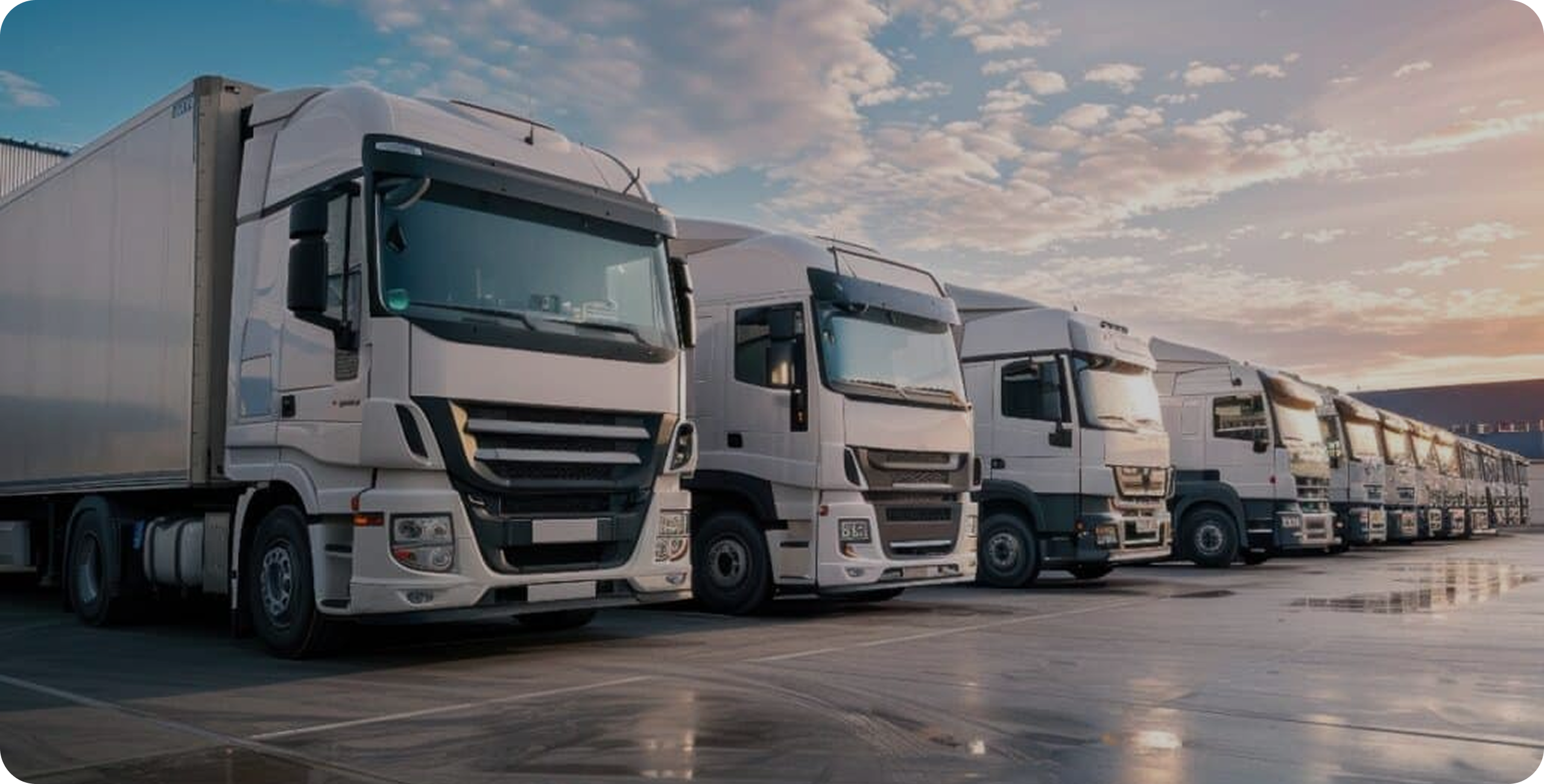
In today’s world, where speed and data drive success, fleet management systems have become a crucial pillar for any company operating a large fleet of vehicles. Gone are the days of paper schedules and manual tracking; modern fleet management has transformed into an intelligent ecosystem that integrates advanced technologies with powerful analytics.

This article highlights the core features of fleet management systems and how they improve efficiency, reduce operating costs, and enhance both safety and productivity.

What Is a Fleet Management System?

It is an integrated software solution that helps businesses monitor, manage, and analyze the performance of their vehicles and drivers in real time. This includes everything from location tracking to analyzing fuel consumption and maintenance data.

Why Does Your Business Need a Fleet Management System?

  1. Tackling Operational Complexities

    Managing a large number of vehicles means facing daily challenges in maintenance, scheduling, performance tracking, and ensuring safety.

  2. Leveraging Real-Time Data

    The system provides instant access to live data, enabling faster and more accurate decision-making.

Key Features of a Fleet Management System

  • Real-Time Vehicle Tracking

    With advanced tracking technologies, companies can monitor the live location of every vehicle. This improves logistics efficiency and prevents unauthorized use.

  • Smart Fuel Management

    The system generates detailed fuel consumption reports, helping reduce waste and identify vehicles that consume excessively. See more about fuel monitoring solutions.

  • Preventive Maintenance

    Maintenance is scheduled based on actual vehicle condition rather than fixed dates, extending vehicle lifespan and reducing unexpected breakdowns.

  • Driver Performance Reports

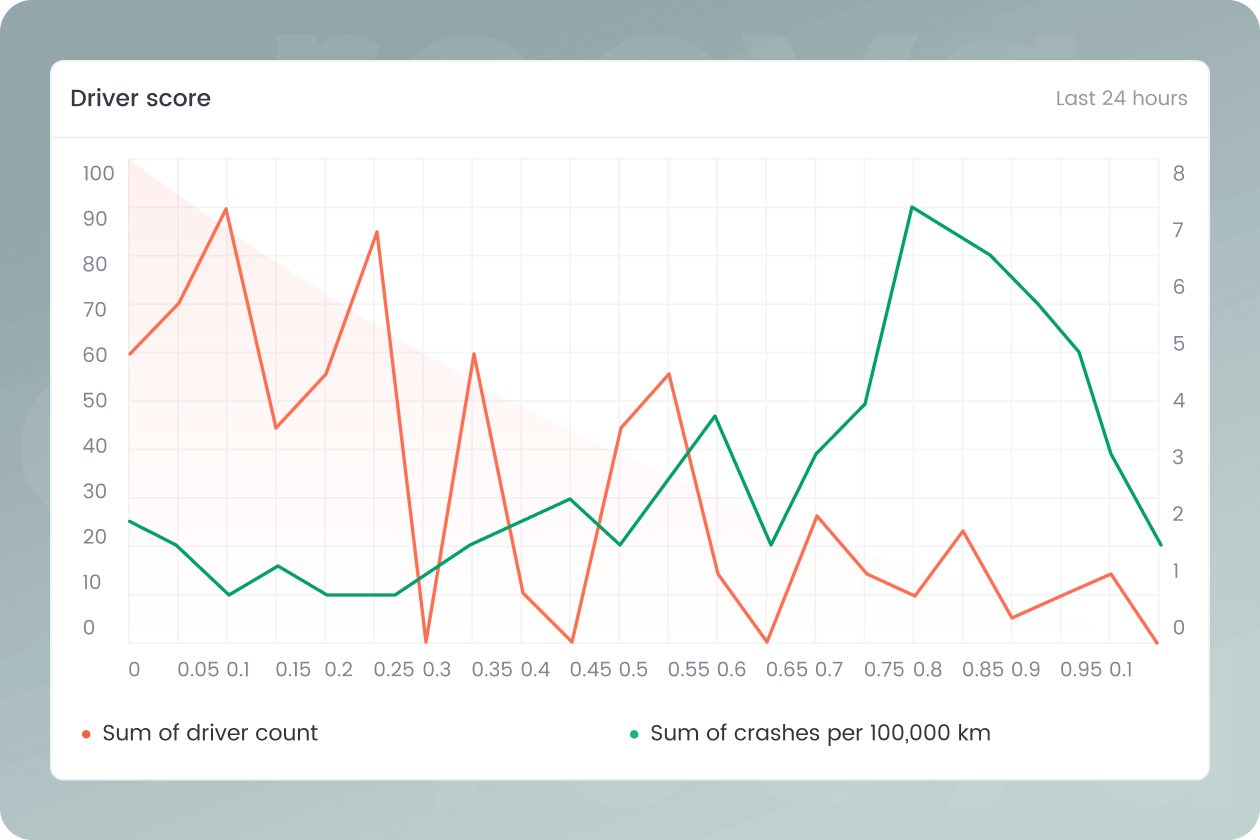
    The system records driving habits such as harsh braking, speeding, and sudden lane changes, enabling better driver training and stronger safety standards.

  • Enhanced Fleet Safety

    By monitoring daily behavior and analyzing accidents, risks are reduced, and overall safety for drivers and vehicles improves.

Business Benefits of Fleet Management

  1. Lower Operating Costs

    By controlling fuel use, reducing breakdowns, and optimizing resources, costs can drop by up to 20%. According to McKinsey, data and analytics in fleet management lead to measurable improvements in operational performance.

  2. Improved Operational Efficiency

    Smoother scheduling, reduced downtime, and streamlined maintenance all drive higher productivity.

  3. Data-Driven Decisions

    Central dashboards provide transparent, actionable insights that inform better strategic decisions.

Real-World Applications

rooya as a Model of Smart Transformation

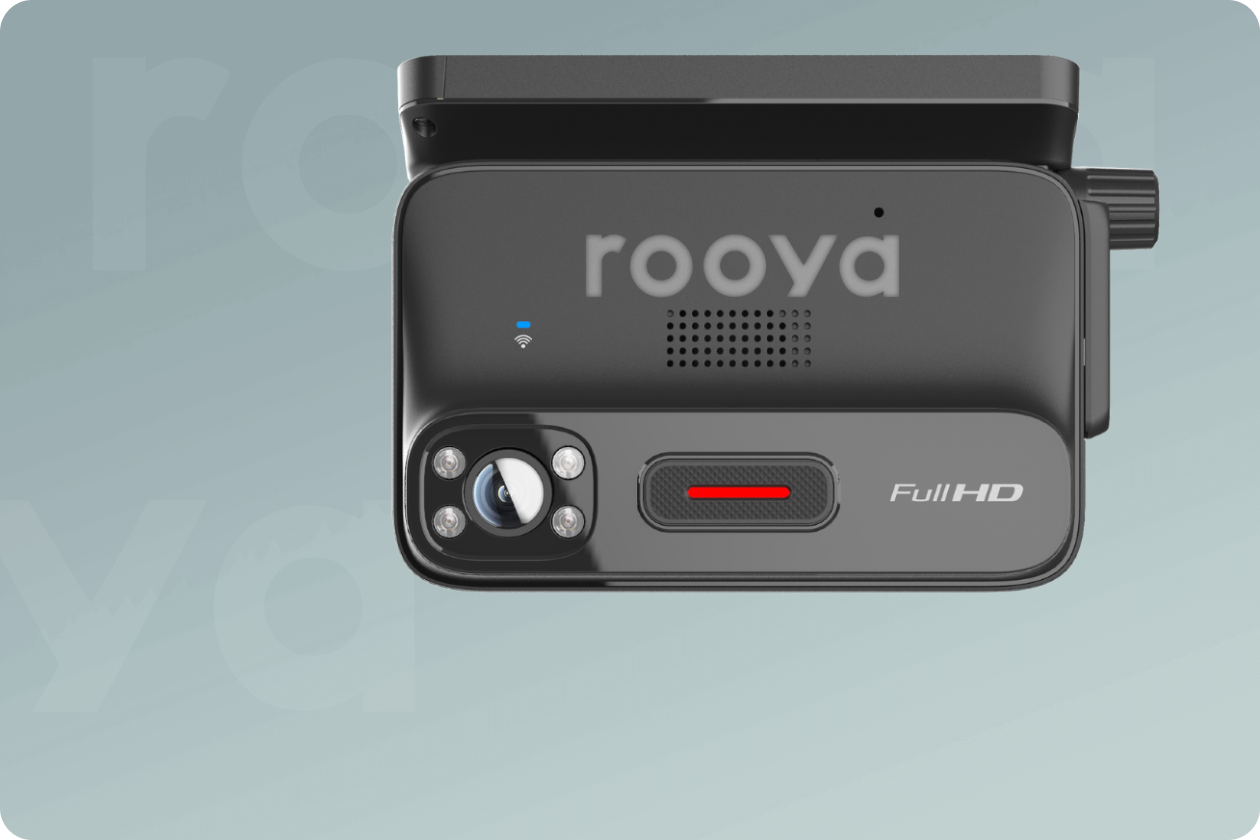
rooya delivers a smart, integrated fleet management solution that combines live tracking, driver performance analysis, and preventive maintenance alerts, all within a user-friendly platform.

Its versatility has proven valuable across multiple industries, including logistics, insurance, and delivery, showcasing both its flexibility and impact.

How to Choose the Right Fleet Management System

  • Ease of Use and Integration

    The system should seamlessly integrate with ERP software, delivery platforms, and billing systems.

  • Scalability and Flexibility

    Can the system grow with your company? Is it capable of scaling to support more vehicles?

  • Strong Technical Support

    A reliable provider should offer consistent technical support and regular updates.

Challenges of Adopting a Fleet Management System

  • Resistance to Change

    Drivers and staff may be hesitant to adopt new technology. Training and awareness are critical.

  • Initial Costs

    While upfront costs can appear high, the long-term return on investment proves the system’s value.

The Future of Fleet Management

  • AI and Predictive Analytics

    Future systems won’t just monitor but will predict breakdowns, suggest optimal routes, and provide instant solutions to cut costs.

  • Integration with IoT

    In-vehicle sensors will feed precise mechanical data into the system, enabling proactive decision-making.

  • National Digital Infrastructure

    In Saudi Arabia, for example, government initiatives are linking commercial fleets to unified platforms as part of Vision 2030, enhancing efficiency and road safety.

What Comes After Adopting the System?

After choosing and implementing a fleet management system within the organization, the journey of continuous improvement begins. The system’s role is not limited to data collection, but rather it provides a means to understand and transform it into practical decisions. Operational teams start monitoring the indicators provided by the system, such as driver performance, fuel consumption, and maintenance frequency. These indicators become the basis for improving daily operational policies.

One of the most important outcomes after implementing the system is the ability to identify patterns of waste or inefficient use of vehicles. For example, reports may reveal that some vehicles are used less frequently than others, which may lead to task redistribution or even reducing the fleet size. This type of proactive analysis would not be possible without an integrated digital system.

The Role of Training and Follow-Up in the System’s Success

The success of the system does not depend on technology alone; it largely depends on the users themselves. Drivers and supervisors need regular training to ensure they understand how to use the system and make the most of its tools. This training should not be a one-time activity at launch, but part of an ongoing plan that enhances digital skills and supports positive interaction with the system.

Accurate follow-up from senior management also plays a role in reinforcing a culture of data-driven reliance. When employees see that management decisions are based on the information provided by the system dashboard, they are more motivated to follow instructions accurately and contribute to improving the quality of the entered data.

The System’s Impact on Customer Satisfaction and Company Competitiveness

When fleet performance improves and operations run more smoothly, this directly reflects on the customer experience. Deliveries become faster and more accurate, and breakdowns that affect deadlines are reduced. This excellence in service provides the company with a real competitive advantage in a market where organizations compete to build customer loyalty.

In addition, having a fleet monitoring system contributes to strengthening the company’s credibility with regulatory authorities, as it becomes easy to prove compliance with environmental regulations and safety requirements. In some sectors, such as logistics and delivery, these features have become a standard for choosing the right partner.

Do All Systems Deliver the Same Results?

It is important to recognize that not all fleet management systems are equal in strength or capability. Some systems provide simple interfaces but lack deep analytics or do not support integration with other systems. Meanwhile, systems like rooya offer advanced capabilities including artificial intelligence and big data analytics, making them more capable of supporting growth and expansion.

The real benchmark in choosing a system lies not only in the number of features but in how well it matches the company’s current and future needs. That’s why it is essential to evaluate systems through real-world trials, and it is preferable to request demo versions before making a final commitment.

Integration with the Vision of Digital Transformation

With the government’s push toward digitalization in Saudi Arabia, it has become essential for fleet systems to be part of the organization’s complete digital infrastructure. This includes integration with HR systems, billing systems, and technical support services. Such integration enhances efficiency, prevents duplication, and saves valuable time and effort.

Systems like rooya offer models for implementing this approach, providing unified dashboards through which fleets can be monitored and emergencies can be handled in real time — fully aligned with Saudi Vision 2030 toward a more efficient digital infrastructure.

Steps to Implement the System within the Organization

Starting the implementation of a fleet management system requires a clear plan and gradual phases. The process begins with a thorough assessment of the current fleet structure in terms of size, vehicle types, operational framework, and daily challenges. This assessment helps determine whether the organization needs a flexible or more customized system, and what priorities the system should address from day one.

After the assessment comes the technical preparation stage, which includes setting up the digital infrastructure such as installing tracking devices on vehicles, securing cloud connectivity, and ensuring system integration with other organizational platforms. At this stage, it is essential to work with the system provider to train the internal IT team and ensure readiness to handle any technical challenges.

Monitoring Performance and Evaluating ROI

Installing the system does not mean the effort ends; it marks the start of performance monitoring. The organization must review monthly indicators regularly and compare results with specific goals, such as reducing fuel costs or lowering the number of breakdowns. The data generated by the system should become part of corporate performance reports, reinforcing the system’s value as a primary source for decision-making.

To measure return on investment (ROI), clear indicators can be used, such as reduced maintenance costs, increased number of daily trips, or improved delivery times. These figures justify the initial cost and confirm that the system is not just a technical tool, but a long-term investment in operational efficiency and business profitability.

Where Is Fleet Management Technology Heading?

In the near future, fleet management systems will evolve further through the adoption of artificial intelligence and machine learning. These technologies will allow the system to predict operational behaviors, such as the need for oil changes based on driving patterns, or to send early alerts before breakdowns occur using historical usage data.

Advances in connectivity, such as 5G networks, will also open the door for more precise real-time tracking and faster interaction with vehicles. These capabilities will enable operations teams to handle challenges instantly, increasing both safety and efficiency.

Summary: Why Should You Start Now?

Digital transformation in fleet management is no longer a luxury but a necessity for survival in a market that demands efficiency, transparency, and flexibility. Delaying system adoption means continued waste, declining customer satisfaction, and greater overall risks. Starting today puts your organization on the path to smart growth.

To recap, the top 3 benefits of a fleet management system are:

  • Reducing operating costs through continuous monitoring and optimization.

  • Improving safety through performance tracking and behavior analysis.

  • Making strategic decisions backed by data rather than estimates.

If you are looking for a reliable, easy-to-use system supported by modern technology, rooya provides everything you need. From smart tracking tools to advanced performance reports, you will get a comprehensive solution that meets your fleet’s needs and gives you peace of mind.

Don’t wait until problems grow bigger. Start today to build a fleet future that is more efficient, safer, and more profitable.